
Fleet and Commercial Vehicle Options in Fort Lauderdale: Financing Options for Growing Businesses
As Fort Lauderdale continues to grow as a hub for small businesses and service providers, choosing the right light commercial vehicles becomes critical to success. Whether you’re expanding a delivery route, upgrading a van or pickup for commercial use, or exploring electric vehicle alternatives to reduce fuel costs, understanding options tailored to your business needs matters. This guide outlines smart, cost-effective choices for light commercial vehicles in Fort Lauderdale, FL, and highlights financing solutions, leasing options, and used commercial vehicles to help you grow your fleet while optimizing cash flow and tax benefits.
What fleet vehicles are best suited for small businesses in Fort Lauderdale?
Choosing fleet vehicles for commercial use requires balancing payload, maneuverability, and fuel efficiency. Light-duty vehicles such as cargo vans, small box trucks, and pickups often offer the best combination of cost-effectiveness and versatility for Florida businesses. These vehicle options allow businesses to transport equipment, tow small trailers, or serve as mobile service platforms while keeping upfront costs and operating expenses manageable.
When assessing fleet options, consider the day-to-day tasks: will you need cargo space for tools, a passenger van for crews, or an electric vehicle to reduce fuel expenses? Fleet managers can mix new vehicle purchases with used commercial vans to hit budget targets while maintaining reliability. Flexible financing and fleet financing packages help businesses buy the right mix of vehicles without wrecking cash flow.
How can commercial vehicle financing options in Fort Lauderdale help my cash flow?
Commercial vehicle financing and commercial fleet financing are designed to protect your working capital. Loans, leasing options, and equipment financing allow business owners to acquire truck inventory or vans with predictable monthly payments rather than a large upfront cost. Financing solutions tailored to small businesses can preserve cash flow for operations, payroll, and growth initiatives.
Different financing options—loan or lease—offer varying benefits. Leasing typically reduces upfront costs and may include maintenance options, improving cash flow and allowing regular upgrades. Purchasing with a loan builds equity in vehicles and can offer tax advantages through depreciation. Speak with lenders or a used truck dealer to find the right financing solution for your business goals.
Which types of commercial vehicles meet diverse business needs across Florida?
Types of commercial vehicles include cargo vans, box trucks, pickups, commercial trucks, and specialty dump trucks. The right mix depends on the services you provide: contractors may prefer box trucks or dump trucks, couriers favor cargo vans, and landscapers often choose pickups with towing capacity. Each type has variants in payload capacity, upfit compatibility, and fuel efficiency.
Consider having a balanced fleet that includes light-duty vehicles for daily routes and a few heavier commercial trucks for larger jobs. Used commercial vehicles from reputable dealers can give you access to a wider variety at lower prices, allowing businesses to get the vehicle options they need quickly and cost-effectively.
Are used commercial vans and trucks a cost-effective option for Fort Lauderdale businesses?
Used commercial vehicles provide significant cost savings compared to new vehicle purchases. Lower purchase prices reduce upfront costs, and many well-maintained used vans and pickups have years of reliable service left. Used truck dealer inventory in Fort Lauderdale often includes recent-model commercial vans, box trucks, and pickup trucks ideal for businesses seeking value.
Buying used also improves cash flow and can be paired with fleet financing or flexible financing plans that spread payments over time. Before purchasing, inspect maintenance records, confirm commercial use history, and consider potential equipment financing for any upfits. This approach helps find the perfect vehicle that meets operational needs without compromising the budget.
How do leasing options compare to buying for commercial use in Fort Lauderdale?
Leasing options can be especially attractive for businesses focused on predictable costs and frequent upgrades. Operating leases lower monthly payments and often include maintenance plans, making it easier to manage commercial fleet expenses. Leasing also reduces many of the headaches associated with depreciating truck inventory and offers easier access to newer, fuel-efficient models.
Buying, on the other hand, provides long-term value and tax benefits such as depreciation and potential immediate write-offs depending on federal and state incentives. A lease or loan decision should align with business goals—whether you want to keep your fleet long-term or maintain the flexibility to upgrade vehicles frequently to take advantage of fuel efficiency and new technologies.
What tax benefits and incentives should Florida businesses consider when buying commercial vehicles?
Businesses in Florida can benefit from tax advantages when purchasing vehicles for commercial use. Depreciation schedules and Section 179 deductions (subject to eligibility) often allow significant upfront tax savings for qualifying new and used commercial vehicles. Consult with your accountant to understand how these incentives interact with your cash flow and financing solution.
Electric vehicles may also qualify for federal incentives and lower operating costs through reduced fuel expenses and maintenance. These tax incentives combined with lower total cost of ownership can make electric vans and light-duty electric trucks appealing for environmentally conscious Florida businesses looking to save on operating costs.
Which equipment financing options are available for upfits and specialty truck inventory?
Equipment financing helps businesses add racks, refrigeration units, lifts, and other specialty gear to commercial vans and box trucks. Lenders and specialized financing companies offer loans and lease structures specifically for equipment that can be bundled with vehicle financing. This allows businesses to outfit vehicles for immediate commercial use without large upfront expenditures.
When planning equipment financing, create a prioritization list of necessary versus optional upgrades. Consider financing packages that cover both vehicle purchase and equipment, which can simplify payments and improve cash flow management. Fleet managers should also investigate warranties and maintenance agreements for upfit components.
How can fleet managers keep operating costs low with fuel-efficient choices?
Fuel efficiency is a key driver of long-term cost savings for fleets. Light-duty vehicles and modern commercial vans often offer better fuel economy than older models. Electric vehicles and hybrid vans are increasingly practical for urban routes in Fort Lauderdale, reducing fuel expenses and maintenance costs over time.
To maximize savings, combine fuel-efficient vehicles with route optimization, regular maintenance, and driver training. These strategies help lower operating costs and extend vehicle life. Fleet financing that prioritizes newer, fuel-efficient models can translate to meaningful cost savings in total cost of ownership.
What should business owners look for at a used truck dealer in Fort Lauderdale?
When visiting a used truck dealer, verify vehicle history, maintenance records, and commercial use certifications. Look for reputable dealers who offer warranties or certified pre-owned options on used commercial vehicles. A strong inventory of trucks and vans gives businesses a better chance to find the perfect vehicle that meets both capacity and budget requirements.
Ask about financing options, flexible financing, and leasing alternatives directly at the dealership. Dealers often partner with lenders to offer commercial vehicle financing tailored to small businesses. If you need help, contact us to discuss available vehicles, financing solutions, and how inventory matches your business goals.
How do I choose the right commercial van or truck for my business goals?
Choosing the right vehicle starts with mapping your business needs: payload capacity, route types, expected mileage, and cargo protection. Create a checklist that includes upfit needs, towing requirements, and anticipated growth to ensure the vehicle supports your business forward. Comparing vehicle options—new and used—will reveal the best balance between cost and capability.
Consider total cost of ownership, including maintenance, fuel efficiency, insurance, and potential tax benefits. Use financing options to align vehicle purchase with business cash flow. If you’re unsure, consult with fleet managers or trusted used truck dealer professionals who can help identify vehicles that allow businesses to scale efficiently.
What flexible financing solutions support businesses that need vehicles across Florida?
Flexible financing options for commercial fleets include traditional loans, commercial fleet financing, and leasing arrangements that can be structured to suit seasonal cash flow variations. Lenders may offer terms that accommodate short-term needs for temporary expansion or long-term plans for growing your fleet across Florida.
Many financing solutions include tailored payment schedules, balloon payments, or lease-to-own programs. These options allow business owners to balance monthly payments with revenue cycles. When exploring financing, request multiple quotes and consider commercial vehicle financing providers that specialize in used commercial and light-duty vehicles.
How can businesses upgrade vehicles while keeping tax advantages and cost savings?
Upgrading vehicles strategically can offer both performance improvements and tax incentives. For example, investing in fuel-efficient or electric models may provide tax advantages and lower operational costs. Purchasing through financing solutions like equipment financing or fleet financing allows businesses to claim depreciation and other tax benefits while maintaining cash flow.
Plan upgrades around tax years to maximize incentives and combine purchases where possible to leverage Section 179 deductions. A phased upgrade strategy enables businesses to spread costs while taking advantage of available tax incentives and cost savings across the fleet.
How do I contact local specialists to find the perfect vehicle for commercial use?
If you’re ready to grow your fleet, contact us today to explore vehicle options in Fort Lauderdale. Local specialists and used truck dealers understand commercial vehicle needs in Florida and can present options tailored to your business goals. They can also assist with financing, leasing, and equipment financing so you get a full solution that helps your business run smoothly.
When reaching out, have your business goals and estimated budget ready. Ask about available inventory, financing options, fleet discounts, and any tax incentives that may apply. A good dealer will help you compare loan or lease scenarios and recommend the right financing solution for your specific operational needs.
How can fleet financing and leasing options help businesses grow their fleet efficiently?
Fleet financing and leasing options are powerful tools for businesses that need to scale quickly. Financing allows you to expand your truck inventory without substantial capital outlays, while leasing offers predictable payments and easier access to newer technologies. Both approaches reduce the barriers to growing your fleet effectively.
Consider combining new vehicles with used commercial vans and trucks to maximize flexibility. Financing solutions with flexible terms help businesses match payments to revenue cycles, maintain cash flow, and invest in other areas of growth. Work with lenders who understand commercial vehicle financing to design a plan that supports long-term business success.
How do I evaluate the total cost of ownership when selecting light commercial vehicles?
Total cost of ownership includes purchase price, financing costs, insurance, fuel, maintenance, and depreciation. For business owners, factoring in tax benefits and potential incentives is essential. A comprehensive evaluation helps you compare new vehicle purchases to used commercial options and leasing alternatives to determine which is truly the most cost-effective choice.
Use checklists and spreadsheets to estimate lifecycle costs for each vehicle option. Include anticipated downtime, resale value, and upfit expenses. This systematic approach helps fleet managers and business owners find the perfect vehicle that balances upfront cost with long-term savings and operational reliability.
How can Fort Lauderdale businesses access financing solutions tailored to their industry?
Many lenders offer commercial vehicle financing packages specifically designed for industries like delivery services, construction, and mobile services. These packages consider vehicle use, anticipated mileage, and industry-specific upfits. Industry-aware lenders can provide flexible financing and leasing options that match cash flow patterns and equipment needs.
Start by gathering quotes from several financing providers and compare terms, interest rates, and any fees. Ask about commercial fleet financing programs that may offer preferential rates for multiple vehicle purchases. A tailored financing solution will make it easier to grow your fleet while keeping costs predictable.
What are the top strategies for keeping a commercial fleet running and upgrading vehicles over time?
Top strategies include proactive maintenance schedules, driver training, fleet telematics, and planned upgrades. Regular maintenance extends vehicle life and reduces unexpected repair expenses. Telematics can optimize routes and reduce fuel consumption, yielding cost savings across the fleet.
Plan upgrades based on lifecycle analysis and tax planning. Rotate vehicles through commercial use, replace high-cost units first, and consider leasing high-mileage assets while purchasing lower-mileage vehicles for longer-term retention. This balance helps businesses keep their fleet modern and cost-efficient.
What local resources in Fort Lauderdale can help with commercial vehicle purchase and financing?
Fort Lauderdale is home to several reputable used truck dealers, financing specialists, and fleet managers who understand the local market and regulatory environment. Local dealerships often maintain robust truck inventory and can package financing options, equipment financing, and maintenance plans to suit your business needs.
Reach out to dealers and financing partners to schedule inspections and test drives. Use local expertise to navigate Florida-specific incentives, registration requirements, and operational considerations like towing regulations and commercial vehicle insurance. Contact us to get connected with Fort Lauderdale resources that help your business grow.
How should businesses choose between different vehicle options to meet long-term goals?
Selecting the right vehicle options requires aligning purchases with your business goals. If your objective is rapid growth, prioritize flexible financing and a mix of used and new vehicles to expand quickly. If long-term ownership and tax optimization are the focus, buying new vehicles and leveraging depreciation may be the smarter route.
Evaluate each vehicle against criteria like payload, fuel efficiency, expected downtime, and resale value. Consult fleet managers and financial advisors to choose a financing strategy—loan, lease, or a hybrid—that helps you grow your fleet and meet operational targets.
Summary: Key takeaways for choosing light commercial vehicles in Fort Lauderdale
- Evaluate business needs first: payload, towing, upfits, and route types determine best vehicle choices.
- Consider used commercial vehicles to reduce upfront costs while maintaining capability.
- Compare loan or lease options to find the right financing for cash flow and tax advantages.
- Account for total cost of ownership: fuel efficiency, maintenance, and potential tax incentives matter.
- Use equipment financing for upfits and specialty needs to avoid large upfront expenditures.
- Leasing can provide predictable costs and easier upgrades; buying builds equity and tax benefits.
- Work with reputable used truck dealers and financing partners to access tailored solutions across Florida.
- Plan upgrades strategically and use fleet management practices to maximize savings and reliability.
Finding the right commercial vehicle and financing solution is essential for Fort Lauderdale businesses that want to grow efficiently. Whether you need a cargo van, box truck, pickup, or electric vehicle, explore options tailored to your business goals and cash flow. For trusted local guidance, contact Elite Team Auto Brokers, a Used Car Dealer in Fort Lauderdale, FL, to discuss commercial vehicle availability, financing options, used commercial inventory, types of commercial vehicles, and fleet vehicles. They can connect you with financing solutions, used truck dealer inventory, and flexible financing to help your business grow your fleet and find the perfect vehicle for commercial use. Contact us today to learn more about financing, leasing options, and how a commercial vehicle purchase can move your business forward.
New vs. Used Cars: Which Option Saves You More Money in 2026?
Deciding whether to buy a new car or a used car is one of the biggest financial choices many car buyers face. With factors like purchase price, depreciation, financing, insurance, and reliability all impacting the total cost, understanding the cost comparison used cars vs. new cars is essential for finding the best car deal and matching the right vehicle to your budget and lifestyle.
1. What are the main differences in car price between a used car and a new car?
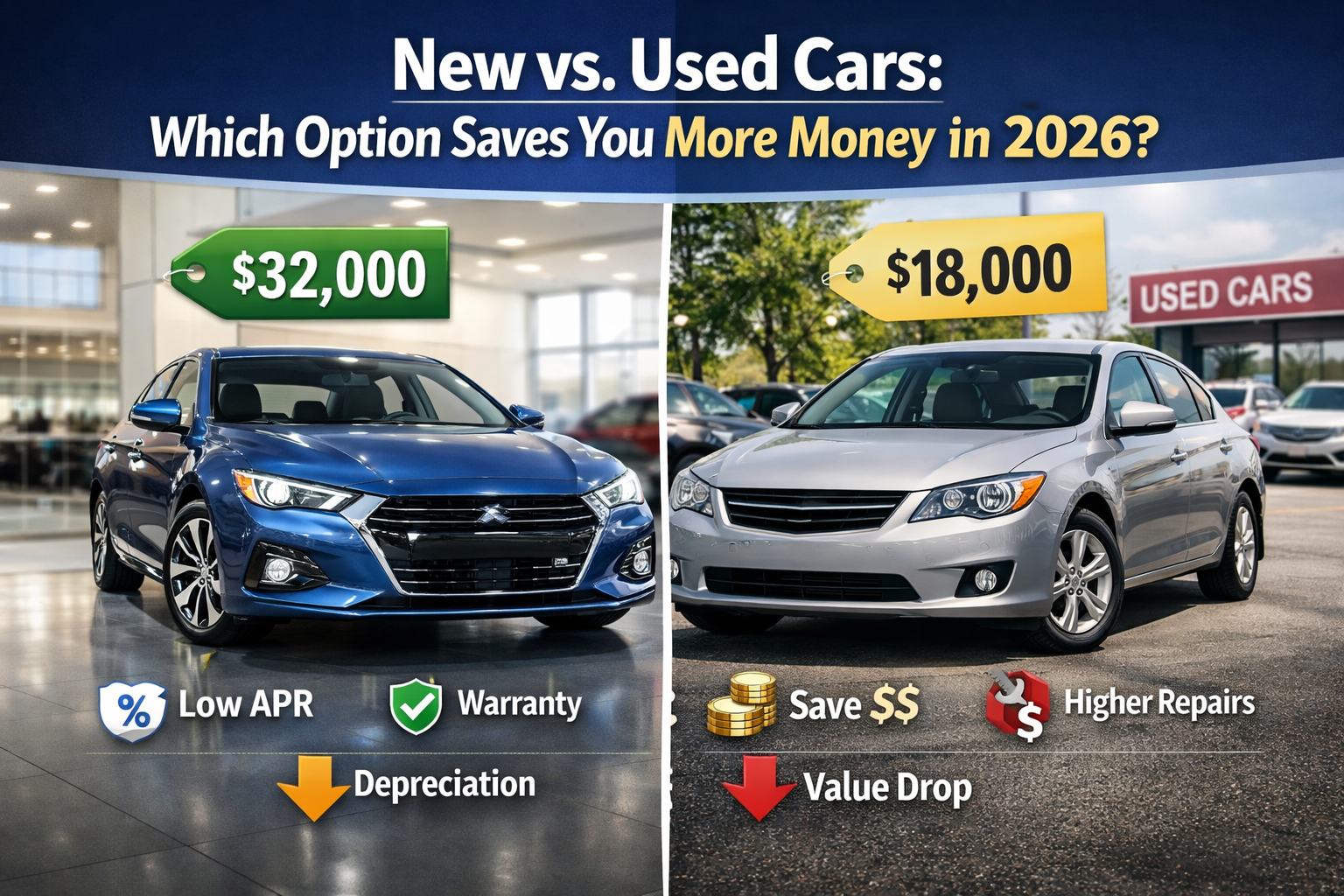
When comparing new car prices to used car prices, the headline numbers are often the most striking. A new vehicle usually carries a higher purchase price, reflecting the latest features, warranty coverage, and no prior use. In contrast, an average used car price can be significantly lower — often 20–40% less than an equivalent new model — because a used vehicle has already absorbed the steepest part of depreciation. These differences in car price are key when you weigh the pros and cons of buying new versus buying used.
For many car buyers, the lower purchase price of a used car is attractive because it reduces the required car loan amount and can lower monthly payments. However, used car shoppers should also consider the vehicle’s history, potential repair costs, and how the used car prices compare across private sellers, dealerships, and late-model used cars inventories to find the best deal.
2. How does depreciation affect the costs of a new car vs. a used car?
Depreciation is one of the biggest drivers of the cost of new and used vehicles. New cars generally lose the most value in the first year — often 20% or more — meaning the new car may lose a substantial portion of its value the moment it’s driven off the lot. That rapid value loss raises the effective cost of buying new, especially for buyers who sell or trade in their car within a few years.
With used cars, depreciation tends to slow down, which can create value for buyers who want to minimize long-term car costs. Choosing a late-model used car or a certified pre-owned vehicle can provide a balance: lower initial depreciation with manufacturer-backed warranties. Checking car values through resources like Kelley Blue Book helps car shoppers understand expected depreciation for specific makes and models.
3. What are the financing differences when buying a new vs a used car?
Financing a new car often comes with competitive car loan interest rates and special incentives from manufacturers, such as low-rate financing or cash-back deals for new car buyers. These promotions can offset some of the higher purchase price, making a purchase attractive for new car shoppers. However, the total interest paid over the life of a loan may still be higher because the principal is larger for a new car purchase.
Buying a used car typically involves higher car loan interest rates, particularly for older vehicles or buyers with weaker credit. That said, the lower purchase price reduces the loan amount, which can lower monthly payments and total interest costs. Used car shoppers should compare financing offers, consider shorter loan terms when possible, and factor in the trade-offs between interest rates and purchase price.
4. How do insurance and running costs compare for new and used vehicles?
Car insurance rates often differ between new and used vehicles. New cars generally cost more to insure due to higher replacement values and more expensive parts, which increases premiums and comprehensive coverage costs. Conversely, older or average used cars can be cheaper to insure, though some late-model used cars with advanced safety or tech features may carry higher premiums.
Running costs such as fuel efficiency, maintenance, and repairs also vary. New vehicles often come with manufacturer warranties that cover unexpected repairs for a set period, lowering out-of-pocket costs initially. Used vehicles may require more frequent maintenance depending on age and condition, but shopping for reliable models and certified pre-owned options can reduce long-term car costs.
5. Should I buy a new or used car when considering total cost of ownership?
To determine whether a new or used car is the best deal for you, calculate the total cost of ownership: purchase price, depreciation, financing, insurance, maintenance, taxes, registration, and fuel. New car buyers may benefit from warranty coverage and lower initial maintenance, but higher purchase price and depreciation can increase the total cost. Used car buyers enjoy lower purchase price and slower depreciation but should factor in potential repairs and higher maintenance needs.
Tools like cost-of-ownership calculators and resources such as Kelley Blue Book can help estimate long-term costs for specific models. For many car buyers, a well-maintained late-model used car balances affordability and reliability, while others prefer the peace of mind and newest features that come with buying new.
6. How do used car prices versus new car prices shift with supply and demand in the car market?
Market dynamics strongly influence new car and used car prices. A tight supply of new models, supply chain disruptions, or high demand for new models can push new vehicle prices up and make used cars more desirable. Conversely, an abundant supply of new cars or aggressive incentives can depress used car prices. The supply of used cars also changes with trade-in activity and new car sales, impacting average used car price levels.
Used car shoppers should monitor broader market trends, seasonal sales, and inventory levels at dealerships. When many new cars are available and discounted, buyers may find better deals on new models; when supply is constrained, late-model used cars and certified pre-owned inventory can present compelling value for buyers looking to buy a used vehicle.
7. What are the pros and cons of buying a used car compared to buying new?
When weighing the pros and cons of buying used, the top advantages include lower purchase price, slower depreciation, and potentially lower insurance costs. Many car buyers find that buying a used car lets them get a higher trim or better option package for the same budget they’d spend on a new base model. For used car shoppers, certified pre-owned programs and thorough inspections help reduce risk.
Cons of buying a used vehicle can include shorter or expired manufacturer warranties, potential for higher maintenance, and the challenge of finding a clean vehicle history. Buying certified pre-owned, using vehicle history reports, and having a trusted mechanic inspect the car can help mitigate these cons and make buying a used car a safe and cost-effective choice.
8. How do new car warranties and incentives change the new versus used calculation?
New car warranties and incentives are powerful factors when comparing new and used vehicles. Warranties provide coverage for defects and repairs for a set period, reducing unexpected costs for new car buyers. Manufacturer incentives like low APR financing, rebates, and lease deals can lower the effective cost of buying a new car, sometimes making a new car purchase closer in cost to a used alternative.
Used car buyers can look for remaining factory warranties, certified pre-owned coverage, and dealer-backed protections. These options can reduce the risk and maintenance costs associated with used cars. When incentives are strong for new car shoppers, it’s worth calculating the net deal — purchase price minus incentives — to see whether buying new or used better suits your budget.
9. How should car buyers evaluate reliability, repair costs, and resale value when choosing between new and used?
Reliability and future repair costs are key components of the cost comparison used cars vs. new cars. New models often come with the latest engineering and warranty coverage, but some buyers may prefer proven, reliable used models with strong track records. Researching model-specific reliability, reading owner reviews, and consulting sources like Kelley Blue Book and reliability ratings helps buyers forecast repair and ownership costs.
Resale value matters too: some new car models hold their value better than others, which reduces long-term costs for new car buyers. For used car shoppers, choosing models with strong resale values and documented maintenance histories improves the chances of a better return when it’s time to sell. Balancing repair risk against purchase price helps determine which option delivers lower total costs over your ownership timeline.
10. When is it the best time to buy — a new car, a used car, or something in between?
Timing can influence whether you should buy new and used, especially when factoring incentives, model year changes, and seasonal dealer promotions. End-of-year sales, model changeovers, and holiday promotions often provide the best deals on new cars. For used car buyers, late-model used vehicles often appear after lease returns and trade-ins, so monitoring inventory can lead to attractive used car options.
Consider your personal needs and time to buy. If reliability and the latest safety features are priorities, buying a new or certified pre-owned vehicle might be best. If budget and minimizing immediate depreciation are the key goals, shopping for a used car with a clean history and reasonable used car prices is often the smarter financial move. Either way, comparing offers, financing, and total cost makes finding the best car deal simpler.
11. How do private party sales compare to dealership purchases for used cars?
Buying a used car from a private party is often cheaper in terms of purchase price because private sellers typically list vehicles at lower amounts than dealerships. However, private party purchases usually lack dealer warranties, certified inspection reports, and the consumer protections that used car dealerships provide. Buyers should obtain vehicle history reports, arrange independent inspections, and confirm title status before buying a used car from a private party.
Dealerships, particularly reputable used car dealerships, can offer advantages: certified pre-owned options, financing solutions, and service contracts that reduce the risks associated with used car purchases. Shopping at a trusted used car dealership can simplify financing and provide valuable post-sale support, which helps many car buyers feel more secure in their purchase.
12. How can buyers get the best car deals whether they buy new or used?
To secure the best deal on a new or used car, start with research: compare new and used car prices, read reviews, and check values on Kelley Blue Book. Get multiple quotes, be ready to negotiate, and consider timing purchases around promotions or inventory shifts. For financing, shop lenders for competitive car loan interest rates and pre-approval offers to strengthen your negotiating position.
Practical steps include getting a vehicle history report on used options, test-driving prospective cars, and comparing warranty and maintenance plans. For new car shoppers, leverage manufacturer incentives; for used car shoppers, look for certified pre-owned vehicles and dealer warranties. These steps help car buyers find the best car that matches their budget and needs.
13. What are the key considerations for long-term ownership costs of new versus used vehicles?
Long-term ownership costs include depreciation, major repairs, maintenance schedules, and ongoing insurance. While new cars often come with low maintenance costs early on and comprehensive warranties, their steep initial depreciation can outweigh short-term savings. Used cars usually deliver lower initial purchase prices and slower depreciation but may require higher maintenance and more frequent repairs as they age.
Evaluate projected costs over a typical ownership period (3–5 years or longer) to decide whether buying new makes financial sense or if a used car better meets your budget goals. Consider factors like warranty coverage, expected reliability, and resale value when calculating the long-term cost of new and used vehicles.
14. How do specific use cases (commuting, family, luxury) change the new vs used decision?
Your intended use for the vehicle heavily influences whether to buy new or used. For long daily commutes, fuel efficiency and low maintenance costs may be top priorities; a reliable used vehicle with good mileage may be the most cost-effective option. For family buyers, safety features and space might justify buying new or choosing a late-model used vehicle with advanced safety systems.
Luxury buyers often weigh the benefits of new-car tech and prestige against rapid depreciation. In many cases, buying a high-end used vehicle or certified pre-owned luxury car offers similar features at a lower cost. Align your buying decision with how you will use the vehicle to maximize value.
15. How do regulations, warranties, and consumer protections affect used car shoppers?
Consumer protections — such as lemon laws for new purchases, implied warranties for dealer sales, and state regulations — affect the risk profile of buying new and used. Used car dealerships often provide limited warranties or certified pre-owned programs that add a layer of protection for buyers. When buying from a private party, buyers have less recourse, so thorough inspections and clear title verification are critical.
Understanding warranty transferability, recall coverage, and legal protections in your state can reduce the uncertainty of buying a used car. Many used car shoppers find peace of mind in dealer-backed warranties and documented service histories when shopping for their next car.
Summary of Key Takeaways
- New car purchase price is higher, but comes with warranties and incentives; used car prices are lower with slower depreciation.
- Depreciation is steepest in the first year for new vehicles; used cars can offer better value over the medium term.
- Financing a new car may offer lower interest rates but larger loan amounts; used car loans can have higher rates but smaller principals.
- Insurance and running costs tend to be higher for new cars; used cars may have higher maintenance risk without warranties.
- Market conditions and timing affect new and used car deals; research and comparison are essential.
- Certified pre-owned options bridge new vs used by offering lower prices with some manufacturer protections.
- Private party purchases can be cheaper but riskier than buying from a reputable used car dealership.
- Use case (commute, family, luxury) influences whether a new car may be worth the extra cost or a used vehicle is better value.
Finding the right balance in the cost comparison used cars vs. new cars depends on your priorities: lowest purchase price, lowest total cost of ownership, newest features, or peace of mind from warranties. If you’re looking to buy a used car with confidence, consider working with a trusted used car dealership like Elite Team Auto Brokers. As a used car dealer in Fort Lauderdale, FL, they can help you weigh the pros and cons of a used car vs new car, show competitive used car prices, and guide you through financing, insurance, and the benefits of buying used cars so you can buy a used vehicle that fits your needs and budget.
How to Determine Whether a Used Car or a New Car is Right for You
Choosing between a used car and a new car is a significant decision for many buyers. Each option comes with its own set of advantages and disadvantages, and making the right choice depends on various factors such as budget, needs, and lifestyle. Understanding these factors is essential to ensure you find the right vehicle that meets your expectations and requirements.
What Are the Pros and Cons of Buying a Used Car?
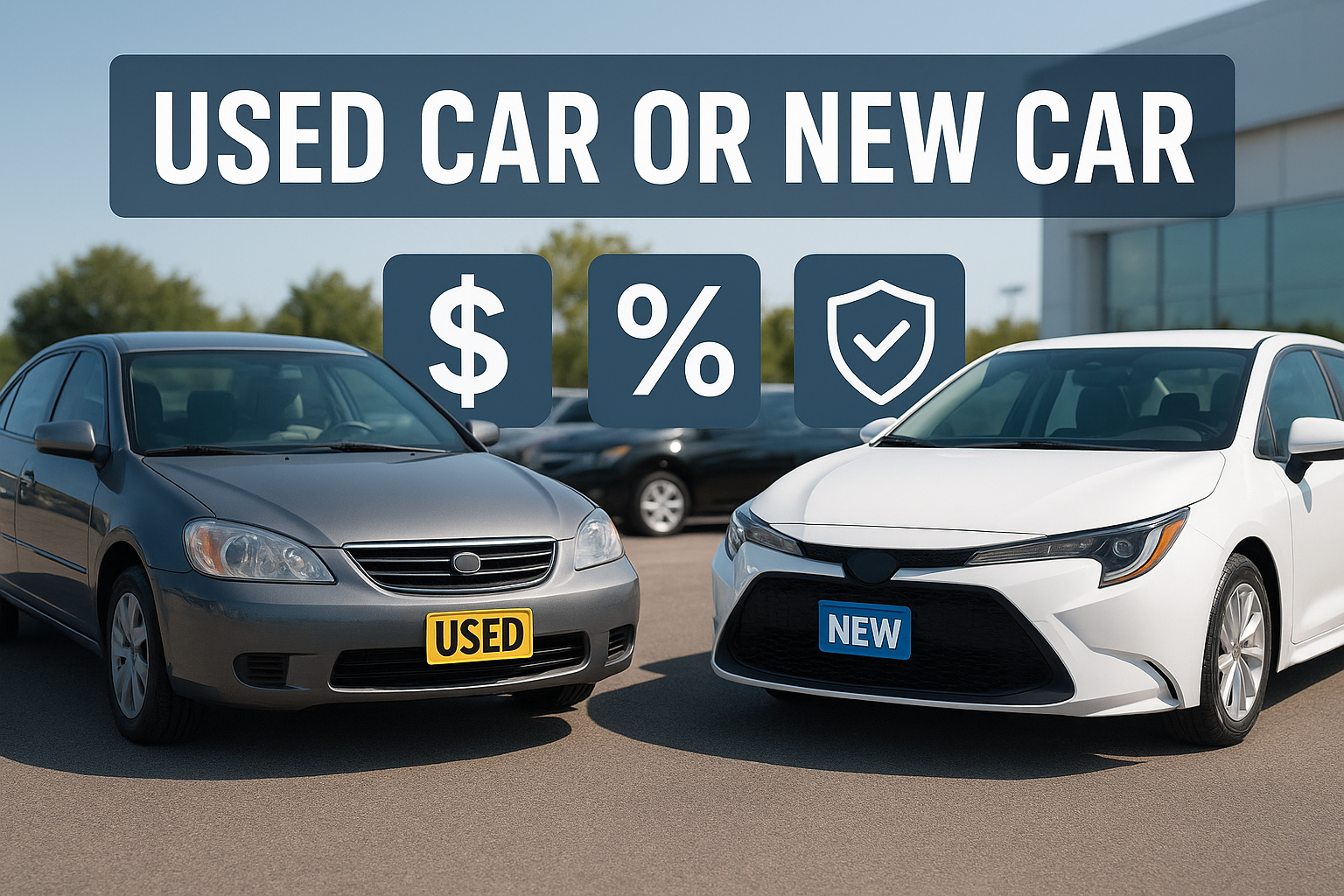
When considering whether to buy a used car, it’s important to weigh the pros and cons. On the plus side, used vehicles often come at a lower price point, which can make them more affordable for many buyers. Additionally, used cars have already depreciated, meaning you might get more value for your money compared to a new car that loses value as soon as it’s driven off the lot.
However, there are cons of buying a used car as well. Older models may lack the latest technology and safety features found in new vehicles. Maintenance costs can also be higher if the car has been poorly cared for by previous owners. Buyers should consider getting a certified pre-owned vehicle, which often comes with a warranty and has been inspected for quality.
What Are the Pros and Cons of Buying a New Car?
Buying a new car has its own set of advantages. One of the most appealing aspects is the warranty coverage, which can provide peace of mind for several years. New cars are often equipped with the latest technology and safety features, making them more appealing for many buyers looking for a modern driving experience.
On the downside, one of the major cons of buying a new car is depreciation. New vehicles lose value much faster than used cars, especially within the first few years of ownership. Additionally, new cars often come with higher monthly payments, which can strain your budget if not planned properly.
How Do You Decide Whether to Buy New or Used?
Deciding between new and used cars depends on multiple factors, including your budget, financing options, and personal preferences. Use a car loan calculator to determine how much you can afford in monthly payments. If your primary concern is saving money, a used vehicle might be the better choice. However, if you prioritize reliability and the latest features, a new car may be worth the investment.
Consider your long-term plans for the vehicle. If you plan to keep the car for many years, investing in a new vehicle could be worthwhile. Conversely, if you frequently change cars, a used car may be more suitable.
What Is the Importance of Warranty Coverage?
Warranty coverage is a crucial factor when deciding between new and used vehicles. New cars typically come with comprehensive warranties that cover most repairs and maintenance for several years. This can significantly reduce the cost of ownership and provide peace of mind.
When buying a used car, look for certified pre-owned options that may offer limited warranties. These vehicles have been inspected and come with some degree of warranty coverage, making them a safer bet for buyers concerned about potential repairs.
What Are the Financing Options Available for New and Used Cars?
When financing your car purchase, it’s essential to understand the different options available. Many lenders offer competitive rates on both new and used vehicles, but interest rates can vary. New cars often come with promotional financing rates that can make them more affordable.
For used cars, financing can be more challenging, especially if you opt for older models. Always shop around for the best auto loan rates and consider getting pre-approved for financing to streamline the buying process.
How Does Depreciation Affect Your Purchase Decision?
Depreciation is a critical consideration when deciding between a new or used car. New cars can lose up to 20% of their value within the first year alone. This rapid depreciation means that by the time you drive a new car off the lot, it has already decreased in value significantly.
Used cars, on the other hand, have already gone through this steep depreciation phase. While they still lose value, the rate is typically much slower, allowing you to retain more of your investment over time. Understanding how depreciation affects your purchase can help you make a more informed decision.
What Type of Car Do You Need?
The type of car you need significantly influences your decision to buy new or used. For instance, if you require a vehicle with advanced safety features for a growing family, a new car might be the best option. New vehicles often come equipped with the latest technology, which can enhance safety and convenience.
On the other hand, if you’re looking for a reliable, simple mode of transportation, a used car may meet your needs perfectly. Many used vehicles are still dependable and can serve you well without the higher costs associated with new vehicles.
What Are the Monthly Costs Associated with Each Option?
Monthly costs are a vital factor when deciding between new and used cars. New cars typically come with higher monthly payments due to their higher purchase price. Additionally, new vehicles often have higher insurance premiums, which can add to your monthly expenses.
Used cars usually come with lower monthly payments and insurance costs, making them more budget-friendly. However, keep in mind that older vehicles may require more maintenance, which can add to your overall car expenses.
How Important Is the Availability of Safety Features?
Safety features are an essential consideration when purchasing a car. New cars often come equipped with advanced safety technologies such as adaptive cruise control, lane departure warnings, and automatic emergency braking. These features can significantly enhance your peace of mind while driving.
While many used vehicles may lack these advanced safety features, some certified pre-owned options come with modern technology. When shopping for a used car, prioritize models known for their safety ratings and features to ensure you’re making a wise choice.
Where Can You Find the Right Vehicle for Your Needs?
Finding the right vehicle involves researching various dealerships and online platforms. If you decide to buy a used car, consider visiting a reputable used car dealer like Elite Team Auto Brokers. They offer a wide selection of used vehicles, ensuring you have plenty of options to choose from.
When shopping for a new car, visit multiple dealerships to compare prices and financing options. Test driving different models will give you a better sense of what suits your needs best. Always read reviews and check safety ratings to make a well-informed decision.
- Evaluate your budget and financing options.
- Consider the depreciation and monthly costs associated with your choice.
- Assess your need for safety features and technology.
- Explore the selection available at trusted dealerships.
- Weigh the pros and cons of buying a used car versus a new car.
In conclusion, whether you’re leaning towards a used car or a new car depends on your individual needs, financial situation, and personal preferences. Make sure to consider all factors, including warranty coverage, financing options, and the type of car that best suits your lifestyle. For those looking for a reliable pre-owned vehicle, Elite Team Auto Brokers in Fort Lauderdale, FL, offers a wide selection of used cars to choose from, ensuring you find the right car for your needs.