
How Financing Options and Used Car Financing Impact Your Decision to Buy a New or Used Car
Choosing whether to buy a new car or buy a used vehicle often comes down to financing as much as preference or model. The impact of financing options on your decision to buy a used or new car can alter the overall cost, monthly payment, and long-term value of car ownership. Understanding financing, loan terms, interest rate differences, and the best financing options for used cars will help car buyers make an informed decision between a new and used car purchase.
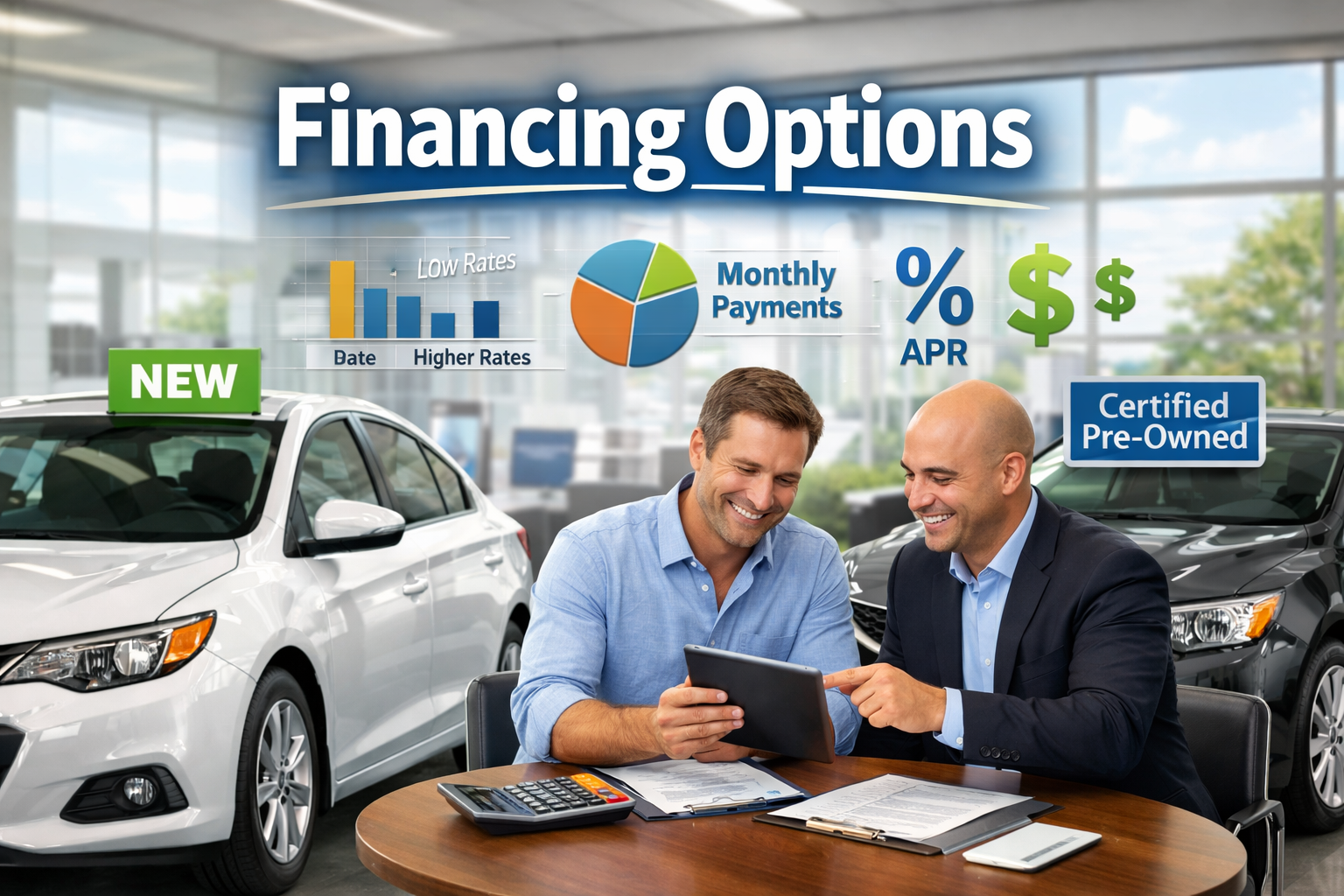
1. How do interest rates for new and used cars affect my decision to buy a new or used car?
Interest rate differences are one of the biggest financing factors that influence whether you choose a new vehicle or a used vehicle. New car financing often comes with promotional lower interest rates—sometimes even 0% for qualified new car buyers—making monthly car payment calculations attractive. By contrast, rates for used car loans are typically higher because used vehicle loans are seen as higher risk, which increases the overall cost and monthly payment over the life of the loan.
When evaluating the impact of financing options, compare APRs and how a lower interest rate can offset depreciation or a higher purchase price on a new car. A lower interest rate on a new vehicle might reduce monthly payments enough to make buying new appealing, while used car financing with higher rates might still be preferable if the purchase price and depreciation profile make the overall cost lower.
2. How does my credit score influence the financing option I can get for new and used cars?
Your credit score is central to qualifying for lower interest rates and the best financing options for used cars or new car financing. Car buyers with higher credit scores are more likely to qualify for attractive new and used car loans, including favorable loan terms and lower monthly payments. Conversely, a lower credit score increases the cost of borrowing and may push you to longer loan terms or higher rates for used car loans.
Before you buy a car or finance a used car, check your credit score and consider steps to improve it. Even modest improvements in credit can unlock lower rates, better financing options, and the ability to choose between a used car loan or financing a new car on more beneficial terms.
3. What loan term should I choose: shorter loan or longer loan terms when buying new and used car?
The length of the loan (loan term) significantly changes the monthly car payment and the overall cost of a car purchase. Shorter loan terms typically come with lower interest rates and reduce the life of the loan, meaning you pay less interest overall and gain equity faster—this can be especially important when buying a used car with steeper rates for used car loans. However, shorter loan terms increase monthly payments, which may strain your budget.
Longer loan terms lower monthly payments but increase the life of the loan and total interest paid. For new car buyers, longer loan terms may amplify depreciation risk—owing more than the car is worth—whereas for purchasing a used vehicle, spreading higher rates over a longer term could make monthly payments manageable but costly long-term. Balance your monthly budget against the overall cost to make an informed decision.
4. How do financing options available from car dealers compare to banks and credit unions for new and used car financing?
Car dealers often offer financing directly, including incentives for new car buyers, such as promotional new car financing rates or bundled warranties. Dealer financing can be convenient and sometimes the best option for new car financing promotions. However, dealer financing for used cars may carry higher rates or additional fees, so it’s important to compare offers from banks and credit unions.
Credit unions often provide lower interest rates on used car loans and flexible terms for members, while banks may offer competitive auto loan packages based on your banking relationship. Before you buy a new or used vehicle, get pre-approved for a car loan from your bank or credit union to compare against dealer offers—this helps you negotiate and pick the best financing option.
5. How does depreciation affect the decision to finance a new vs used car?
Depreciation is a key factor in the overall cost and the impact of financing options on your decision to buy a new or used car. A brand-new car typically loses a large percentage of its value within the first few years, which can leave new car buyers paying more in interest and facing negative equity when financing a new car. This rapid value loss makes financing a new car more expensive in terms of value retained.
Used cars, on the other hand, have already undergone much of the steepest depreciation. Financing a used vehicle often means the purchase price aligns more closely with market value, reducing the risk of owing more than the car is worth. When evaluating financing options, consider depreciation alongside interest rate and loan term to determine the true overall cost and which option—new or used—matches your financial goals.
6. What financing options exist specifically for used cars, and which are the best financing options for used cars?
Financing options for used cars include bank loans, credit union loans, dealer financing, captive finance company loans, and peer-to-peer or online lenders. The best financing options for used cars often come from credit unions and banks that offer competitive rates for used car loans and flexible loan terms that fit your budget. Captive finance companies sometimes offer certified pre-owned incentives, which can be attractive for buying a used certified vehicle.
To find the best financing option for used cars, get multiple rate quotes, pre-approval offers, and ask about rates for used vehicle loans and any fees. Also consider used car financing options like shorter loan terms to avoid paying excessive interest, and check whether a warranty or certified pre-owned program provides added value.
7. How do monthly payments and payment structure shape my choice between a new and used vehicle?
Monthly car payment size is often the deciding factor for car buyers. Financing a new car with lower rates may still result in higher monthly payments because of the higher purchase price and taxes on a new vehicle. A used car loan typically has a lower purchase price, which can reduce the monthly payment even with slightly higher rates for used car loans.
When weighing financing options on your decision, look beyond the monthly payment and calculate the total amount paid over the life of the loan. Consider other payment structures such as down payments, trade-in equity, and incentives that affect your monthly payment. A larger down payment lowers monthly car payments and the amount financed, improving your position whether you buy a new or used car.
8. Should I factor warranties and maintenance costs into financing a new or used car?
Warranties and maintenance costs should be part of your vehicle financing decision. A new car usually includes a manufacturer warranty that reduces repair costs in the early years of ownership, which can lower total vehicle ownership cost. This warranty factor can justify higher new car financing costs for some buyers, especially if the new vehicle provides peace of mind and lower unexpected expenses.
Used cars may have limited or no warranty coverage unless purchased certified pre-owned or paired with a dealer warranty. When financing a used car, consider extended warranties or maintenance plans in your financing calculations. These add-ons increase the loan amount but can protect against high repair bills that would otherwise affect the true cost of buying a used car.
9. How do incentives and special financing offers change the equation when deciding between buying new or used?
Manufacturers and dealers frequently offer incentives—rebates, low-interest new car financing, or cashback deals—that reduce the effective purchase price or monthly payment of a new vehicle. Such promotions can tilt the scales toward buying a new car, making financing a new car more affordable and potentially favorable compared to purchasing a used or new vehicle without incentives.
Used car incentives are rarer but can include reduced rates on certified pre-owned models or dealer-specific promotions. Always compare special financing offers across new and used options to understand the net savings. Factor incentives into your calculations of purchase price, loan term, and monthly payment to make an informed decision between a new and used purchase.
10. How will choosing a shorter loan or a larger down payment influence the impact of financing options on my decision to buy a new or used car?
Choosing a shorter loan term or making a larger down payment reduces the amount you need to finance and shortens the life of the loan—minimizing the interest paid and diminishing the long-term impact of higher rates for used car loans. A larger down payment immediately lowers monthly payments and reduces the risk of negative equity for new car buyers where depreciation is steep.
If your goal is to minimize interest costs and own your vehicle sooner, opt for shorter loan terms and higher down payments. For buyers prioritizing lower monthly payments, longer terms may be tempting but increase the overall cost. Adjusting down payment and loan length is a powerful way to manage the financing options available and align your car purchase—new or used—with financial comfort and long-term objectives.
11. How do I compare the overall cost of buying a new vs buying a used car when considering financing?
To compare overall cost, include purchase price, interest rate, loan term, depreciation, insurance, maintenance, and warranties in your calculations. Use the purchase price plus total interest paid across the life of the loan to determine the effective cost of ownership. For new car buyers, factor in faster depreciation; for used car buyers, add potential maintenance costs and higher rates for used car loans.
Tools like amortization calculators, total cost of ownership worksheets, and quotes for insurance and maintenance help quantify differences. Comparing apples-to-apples with total cost, not just monthly payment, ensures you make an informed decision that accounts for the impact of financing options on your long-term financial outcome.
12. What are practical steps to secure the best financing option before you buy a new or used car?
Practical steps include checking your credit score, getting pre-approved for a car loan through a bank or credit union, and shopping multiple lenders to compare rates and loan terms. Pre-approval strengthens your bargaining position with car dealers and helps you understand whether new and used car financing rates suit your budget.
Also, determine a realistic monthly payment range, prepare a down payment, and research financing incentives for new vehicles or certified pre-owned programs. Negotiating purchase price separately from financing and reviewing all loan paperwork ensures you select the best financing option available and avoid costly surprises when you buy a used or new vehicle.
13. How does the choice between buying new or used affect resale value and future financing when you sell or trade?
Resale value plays into long-term financing and ownership considerations. New cars depreciate quickly, which can reduce trade-in value in the first few years and complicate future financing if negative equity exists. Buying a used car may offer better relative resale stability because you avoided the initial steep depreciation and might recoup a higher percentage of your purchase price when selling.
Consider future refinancing needs or trade-in plans: if you expect to trade or sell within a few years, compare how depreciation and loan terms will affect equity. Opting for a shorter loan term or larger down payment can protect resale outcomes and make future financing easier whether you originally bought new or used.
14. What are the key differences between new and used car financing that car buyers should know?
Key differences include interest rates, loan terms, incentives, and depreciation risk. New car financing often features promotional low rates and extended warranties, while used car financing may involve higher rates but lower purchase prices. Loan terms for new vehicle financing can be longer, which lowers monthly payments but increases total interest. Used car loans may be shorter or longer depending on lender policies and the vehicle’s age.
Car buyers should also consider certification programs, warranty availability, and the availability of dealer financing on used cars. Comparing these elements helps buyers weigh the advantages of buying new—like warranty coverage and lower initial maintenance—against buying used, which offers lower purchase price and reduced depreciation exposure.
15. How can I make an informed decision balancing financing and personal priorities when deciding between new and used?
Start by listing your priorities: lower monthly payments, lowest overall cost, warranty coverage, latest features, or minimal maintenance hassle. Then gather quotes for new and used vehicles that match those priorities and compare financing offers, interest rates, loan terms, and depreciation impact. Use that information to calculate total cost and monthly payment scenarios.
Consider lifestyle factors like expected mileage, driving conditions, and how long you plan to keep the car. Balancing financing realities—loan term, interest rate, down payment—with personal needs lets you make an informed decision on whether a new or used car best fits your financial and practical goals.
Summary: Key takeaways on the impact of financing options on your decision to buy a used or new car
- Interest rates and credit score: Lower rates and better credit reduce the overall cost and may favor buying new with promotional financing.
- Loan term effects: Shorter loan terms lower total interest; longer terms reduce monthly payments but increase cost.
- Depreciation matters: New cars depreciate faster—used cars avoid the steepest early loss of value.
- Monthly payments vs overall cost: Don’t choose solely by monthly payment—calculate the total cost of ownership.
- Dealer vs bank vs credit union: Shop multiple lenders; credit unions often offer competitive used car financing.
- Warranties and maintenance: Factor warranty coverage and likely repair costs into finance decisions.
- Incentives can change the equation: Manufacturer offers and dealer promotions may make new car financing attractive.
- Plan for resale: Consider future trade-in value and equity when selecting loan length and down payment.
- Get pre-approved: Pre-approval gives negotiating leverage and clarity on the best financing options for used cars or new vehicles.
- Make an informed decision: Weigh purchase price, rates for used car loans, loan term, and personal priorities.
Choosing the right financing option is a crucial part of deciding whether to buy a new or used car. If you’re looking for reliable advice and competitive used car financing in Fort Lauderdale, consider working with local experts like Elite Team Auto Brokers, a used car dealer in Fort Lauderdale, FL. They can help you explore used car financing, compare new and used car financing offers, and find the best financing options for used cars to buy a new or used vehicle that fits your budget and needs.
Smart Investments: Unlock the Advantages of Used Car Finance
In today’s fast-paced economy, making smart investments is crucial, especially when it comes to major purchases like vehicles. Used car finance offers numerous advantages that can lead to significant savings and peace of mind. Understanding these benefits is essential for car buyers looking to maximize their investment while minimizing costs. This blog post will delve into the various advantages of used car finance, providing insights that will help you make informed decisions.

What Are the Financial Advantages of Buying Used Cars?
Investing in a used car can provide several financial advantages over purchasing a new vehicle. Firstly, used cars often come with lower price tags, which means that buyers can save a considerable amount upfront. This immediate cost savings is one of the main reasons why many car buyers opt for buying a used car.
Additionally, the depreciation rate for used vehicles is significantly lower than that of new cars. New vehicles can lose value quickly, sometimes up to 20% the moment they leave the dealership. In contrast, used cars have already experienced that initial depreciation, allowing buyers to get more value for their money.
How Do Interest Rates and Loan Terms Affect Used Car Finance?
Interest rates play a critical role in determining the overall cost of financing a used vehicle. Generally, used car finance offers lower interest rates compared to financing a new car. This means that borrowers can secure a used car loan with more favorable terms, resulting in lower monthly payments.
When considering used car finance, it’s essential to compare interest rates and loan terms from various lenders. By understanding the financial landscape, car buyers can unlock the advantages of used car finance, making it a smart investment for their budgets.
What Are the Benefits of Used Car Finance?
Opting for used car finance comes with several compelling benefits. One significant advantage is the flexibility in financing options available to buyers. Many institutions offer tailored financing solutions, allowing individuals to choose a plan that fits their financial situation.
Moreover, used car finance often leads to lower monthly payments compared to financing a new car. This affordability can greatly enhance the peace of mind of car buyers, knowing they are not overextending their budget while still enjoying the benefits of car ownership.
Why Is Choosing a Used Car a Smart Investment?
Choosing a used car represents a smart investment for several reasons. Not only do buyers benefit from lower purchase prices, but they also enjoy reduced insurance costs and registration fees. These savings can significantly enhance the overall affordability of the vehicle.
Furthermore, many used cars are still in excellent condition, offering quality performance for a fraction of the cost of new models. This makes buying used a smart choice for those looking to maximize their investment while minimizing financial risk.
What Should Car Buyers Know About the Used Car Market?
Navigating the used car market can be daunting for many buyers. However, understanding the market trends and types of used cars available can help buyers make informed decisions. Researching the history of used vehicles, such as checking for accidents or previous ownership, can provide valuable insights into the car’s reliability.
Additionally, car buyers should be aware of the various financing options available in the used car market. With many lenders offering competitive rates and flexible terms, buyers can effectively finance a used car that meets their needs without breaking the bank.
How Can You Unlock the Advantages of Buying a Used Vehicle?
Unlocking the advantages of buying a used vehicle involves thorough research and smart financial planning. Buyers should consider their budget, the type of used car they want, and the financing options available to them. By taking these steps, they can ensure they are making a sound investment.
Additionally, seeking advice from reputable used car dealers can provide insights into the best deals and financing options available in the market. A reliable dealer can help buyers navigate the complexities of used car finance, ensuring they find the right vehicle at the right price.
What Are the Smart Financial Decisions When Financing a Used Car?
Making smart financial decisions when financing a used car begins with setting a realistic budget. Buyers should determine how much they can afford for a down payment and monthly car payments. This assessment will guide them in selecting the right financing option.
Moreover, understanding the total cost of ownership, including insurance, maintenance, and fuel expenses, is crucial. This comprehensive approach ensures that buyers can manage their used car loan effectively while enjoying the benefits of car ownership.
What Are the Common Misconceptions About Used Car Finance?
Many car buyers hold misconceptions about used car finance that can hinder their decision-making process. One common myth is that used cars are unreliable. In reality, many used vehicles are still in excellent condition and have been well-maintained, offering buyers quality options.
Another misconception is that financing a used vehicle is more complicated than financing a new car. While it may require more research, the financing process can be straightforward, especially when buyers work with knowledgeable lenders and dealers.
How Do You Choose the Right Car for Financing?
Choosing the right car for financing involves considering personal needs, preferences, and budget. Buyers should assess factors such as fuel efficiency, reliability, and features that align with their lifestyle. By prioritizing these aspects, car buyers can make informed choices.
Additionally, prospective buyers should take the time to test drive several models to determine which vehicles feel right for them. This hands-on experience can be invaluable in making a smart investment.
What Are the Key Takeaways for Smart Investments in Used Car Finance?
- Used car finance offers significant financial advantages, including lower prices and reduced depreciation rates.
- Interest rates and loan terms are typically more favorable for used car loans compared to new cars.
- Opting for used car finance can lead to lower monthly payments and greater peace of mind.
- Choosing a used car is a smart investment that can save money on insurance and registration costs.
- Thorough research and planning are essential for unlocking the advantages of used car finance.
- Misconceptions about used car reliability and financing can be addressed through education and expert advice.
In conclusion, investing in a used car through smart financing options can lead to numerous benefits, making it a wise choice for car buyers. If you’re looking to finance a used car, consider reaching out to Elite Team Auto Brokers, a trusted used car dealer in Fort Lauderdale, FL. They specialize in used car finance and can help you unlock the advantages of used car finance while ensuring you make a smart investment in your next vehicle.
Smooth Rides Ahead: Car Financing Options for Every Driver
In today’s world, owning a car is a necessity for many drivers, and understanding car financing is crucial to making informed decisions. Whether you’re eyeing a new vehicle or considering used car financing, knowing your options can save you money and stress. This blog post aims to guide you through the essential aspects of car financing, ensuring smooth rides ahead for every driver.
What Are the Different Car Financing Options Available?
There are multiple financing options available when purchasing a car. You can choose between dealership financing, bank loans, or credit union loans. Each option has its advantages and disadvantages, so it’s essential to evaluate them based on your financial situation and credit score. Here are some common financing options:
- Dealership Financing: Often convenient, it allows you to secure a loan directly through the dealership.
- Bank Loans: Traditional banks offer competitive rates but may have stricter requirements.
- Credit Unions: Credit unions are known for offering competitive interest rates and a more client-focused approach.
Understanding these options can help you select the best financing plan for your needs.
How Does Your Credit Score Affect Your Auto Loan?
Your credit score plays a significant role in determining your auto loan interest rate and terms. A higher credit score usually results in better loan rates and lower monthly payments. On the other hand, having a lower credit score could mean higher interest rates—or even being denied a loan altogether. It’s advisable to check your credit score before applying for financing to understand where you stand and what improvements you might need to make.
Improving your credit score can be a game-changer when securing a favorable auto loan. Here are some tips:
- Pay down existing debt to reduce your credit utilization.
- Consistently making on-time payments boosts your credit history in a positive way.
- Limit new credit inquiries.
What Is the Importance of Getting Pre-Approved for an Auto Loan?
Getting pre-approved for an auto loan is a crucial step in the car buying process. It not only gives you a clear idea of your budget but also shows dealerships that you are a serious buyer. Pre-approval can streamline the financing process and help you negotiate better terms.
Here are some benefits of obtaining pre-approval:
- Clear Budget: You know how much you can afford to spend on your next car.
- Better Negotiation: With pre-approval in hand, you can negotiate from a position of strength.
- Faster Process: The approval process can be quicker, allowing you to focus on finding the perfect car.
How Do Interest Rates Affect Your Monthly Car Payment?
Interest rates directly impact your monthly car payment and overall loan cost. A lower interest rate means lower monthly payments, while a higher rate can significantly increase your financial burden. When shopping for an auto loan, it is essential to compare the annual percentage rates (APRs) offered by different lenders to secure the best deal.
Consider the following when evaluating interest rates:
- Loan Term: Shorter loan terms generally come with lower rates but higher monthly payments.
- Market Conditions: Interest rates can fluctuate based on economic trends.
- Your Credit Profile: Better credit scores typically yield lower interest rates.
What Should You Consider When Financing a Used Car?
Financing a used car can be different from financing a new vehicle. You need to consider factors such as the vehicle’s age, mileage, and overall condition. Here are key points to keep in mind:
- Inspection: Ensure the car is inspected by a trusted mechanic before purchase.
- History Report: Obtain a vehicle history report to understand its past usage.
- Loan Options: Used car financing may come with different loan rates than new car loans.
By doing your due diligence, you can make an informed decision when financing a used car.
What Are the Loan Terms You Should Look For?
Loan terms refer to the conditions of your auto loan, including the length of the loan and repayment schedule. Understanding these terms is vital for successful car financing. Common terms include:
- Loan Duration: The duration of a car loan generally ranges from 36 to 72 months.
- Monthly Payments: Should fit comfortably within your budget.
- Interest Rates: Must be competitive to avoid paying too much over the life of the loan.
Choosing the right loan terms can help you manage your finances effectively while owning your car.
How Can You Find the Best Car Loan Rates?
Finding the best car loan rates requires research and comparison. Start by checking rates from various lenders, including banks, credit unions, and online financial institutions. Here are some tips for securing competitive rates:
- Improve Your Credit Score: A higher score can lead to lower rates.
- Shop Around: Don’t settle for the first offer; compare multiple lenders.
- Consider a Co-Signer: If your credit is less than stellar, having a co-signer can help you secure a better rate.
What Are the Benefits of Dealership Financing?
Dealership financing can offer benefits that traditional loans may not. Many used car dealerships have partnerships with lenders, allowing them to provide competitive financing options. Benefits include:
- Convenience: One-stop convenience: purchase and finance your vehicle at the same location.
- Special Promotions: Dealerships often run promotional financing offers.
- Flexible Terms: Some dealerships are willing to negotiate terms to suit your financial needs.
What Should You Know About Special Financing Offers?
Special financing offers can be enticing, especially if you’re looking to buy a new car. These offers often include low or zero percent interest rates for qualified buyers. However, they may come with specific requirements:
- Credit Requirements: Typically, only those with excellent credit qualify for these offers.
- Limited Availability: Special offers may only be valid for a limited time.
- Vehicle Restrictions: Certain models or trims may be eligible only.
Evaluate these offers carefully to determine if they align with your financial goals.
How Can Elite Team Auto Brokers Assist You with Car Financing?
When it comes to securing the best auto loan, Elite Auto World, a trusted used car dealer in Fort Lauderdale, FL, can be your ally. They offer a range of financing options tailored to meet your needs, whether you’re interested in used car financing or looking for the best rates on a new vehicle.
With their expertise, you can:
- Apply for used car financing with ease.
- Get pre-approved for an auto loan, streamlining your car buying process.
- Access dealership financing that offers competitive rates and flexible payment options.
Key Takeaways on Car Financing
- Understand your financing options, including dealership and bank loans.
- Your credit score significantly affects your loan terms.
- Getting pre-approved can simplify the car buying process.
- Interest rates impact your monthly payments and total loan cost.
- Research loan terms and find the best rates to secure a favorable deal.
- Consider the benefits of dealership financing and special offers.
- Elite Auto World can assist you in finding the perfect car financing solution.
In summary, navigating the world of car financing doesn’t have to be overwhelming. By arming yourself with knowledge about loan options, interest rates, and pre-approval processes, you can confidently finance your next car. Whether you’re looking to buy a new vehicle or exploring used car financing, remember that Elite Auto World is here to help you find the best financing options available.